Tag Archives: Ecclesiastes 3:1

Autumn and Its Fruits

Standard
Autumn and Its Fruits

“Autumn came, with wind and gold.” ~ Henry David Thoreau, Walden

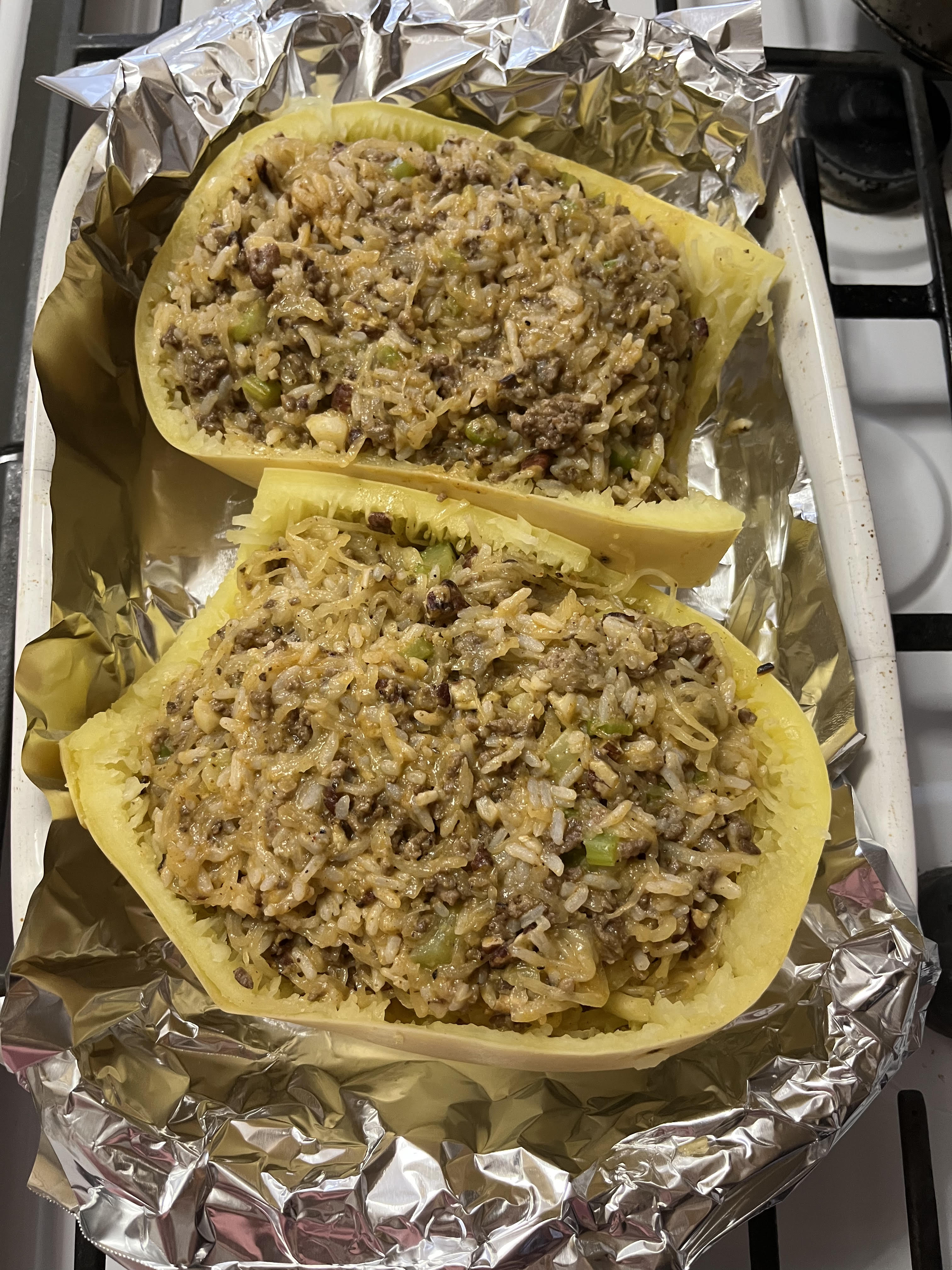
Ahhh! The change! The weather changed! We have had weeks of hot summer temperatures, and little rain to boot. Wondering if autumn is ever coming?! Early morning of August 30 I thought I felt the air change. But if it did it was short lived and back to full blazing summer until now. Today is officially the autumn equinox, and it feels like it! Autumn clothing like jeans and a 3/4-length shirt worn. And the flavors of autumn are on the menu. I am celebrating by preparing a stuffed squash dinner for this evening. My daughter gave me a big-sized homegrown spaghetti squash last month, but it has been too hot to prepare an oven dish. If all goes well with this new recipe, it will be added to my What a Dish Recipes page tomorrow. Dean doesn’t mind me experimenting with our dinner! Shhh! Besides it is another recipe for another book I have in the making.

“Flowers are but colored leaves, fruits but ripe ones. The edible part of most fruits is, as the physiologist says, ‘the parenchyma or fleshy tissue of the leaf,’ of which they are formed.” ~ Henry David Thoreau, Autumnal Tints

Hot tea graced my morning after my swim at the Y pool and a writing lesson with an online literary group. Participants were encouraged to pick a few of our favorite authors to dwell on. Henry David Thoreau is one of mine. Words for poems seem to be on my mind these days. A silly poem using plays on words came out yesterday. Another one is festering. While in my atelier I gaze out the front window and see the ruby-throated hummingbirds are still feeding at our feeders. We could have them with us for another 3 weeks depending on the temperatures of the autumn air. This mild 60’s weather is so perfect for outdoor work and play. Much colder our tiny, feathered friends will move further south. Every week for months Dean has been faithful to make the sugar water, then cleaning and refilling the feeders for our entertaining friends. “To everything there is a season,” the book of Ecclesiastes tells us. The first frost comes soon after the hummingbirds migrate south.

“Perchance amid these groves might arise at last a new school of philosophy or poetry. It lasts all through September.” ~ Henry David Thoreau, Autumnal Tints

An Almanac Autumn’s Arrival

Standard
An Almanac Autumn’s Arrival

Autumn comes in with a cool morning and the promise of warmth by noon with the full sun. A London Fog tea latte is calling my name. The leaves are turning golden with oranges and amber peeking through already. I am reminded of the abundance of autumn with berries plump, zucchini and yellow squash almost the size of a toddler’s leg, and the many varieties of tomatoes overflow the gardens and baskets. I read this poem many years ago and always enjoy reading it again every September …

Blackberry Eating by Galway Kinnell
I love to go out in late September
among the fat, overripe, icy, black blackberries
to eat blackberries for breakfast,
the stalks very prickly, a penalty
they earn for knowing the black art
of blackberry-making; and as I stand among them
lifting the stalks to my mouth, the ripest berries
fall almost unbidden to my tongue,
as words sometimes do, certain peculiar words
like strengths or squinched,
many-lettered, one-syllabled lumps,
which I squeeze, squinch open, and splurge well
in the silent, startled, icy, black language
of blackberry — eating in late September.

The other fruit to take notice of this autumn is the persimmon. The Old Farmer’s Almanac isn’t predicting a terribly cold autumn for the Midwest, but what about winter? The persimmon seeds are supposed to tell us what kind of winter we are to have. Look for the persimmons to be ripe soon in your area, if not already. Missouri is to have a spoon winter. According to this article with the Old Farmer’s Almanac here is how to predict weather with a persimmon seed:

1. Find a locally-grown persimmon. (A locally-grown persimmon is necessary because it will reflect local conditions!) Wait to pick the fruit or cut into the fruit until after it gets a bit soft—almost mushy.

2. Open the fruit and cut open a persimmon seed. 

3. Look at the shape of the kernel inside:

  • If the kernel is spoon-shaped, expect plenty of snow to shovel.
  • If it is fork-shaped, plan on a mild winter with powdery, light snow.
  • If the kernel is knife-shaped, expect frigid winds that will “cut” like a blade.

I hope you enjoy your autumn and all it entails in your part of the world. It will prepare us for the next season, the winter whatever that may bring. There is a season for everything …

“There is a season (a time appointed) for everything and a time for every delight and event or purpose under heaven—” ~ Ecclesiastes 3:1